The Raptor Council

Meet the Raptors

Six AI characters grounded in the actual biology, behavior, habitat, and conservation challenges of real California raptor species. They are not actual animals. Their knowledge is real.

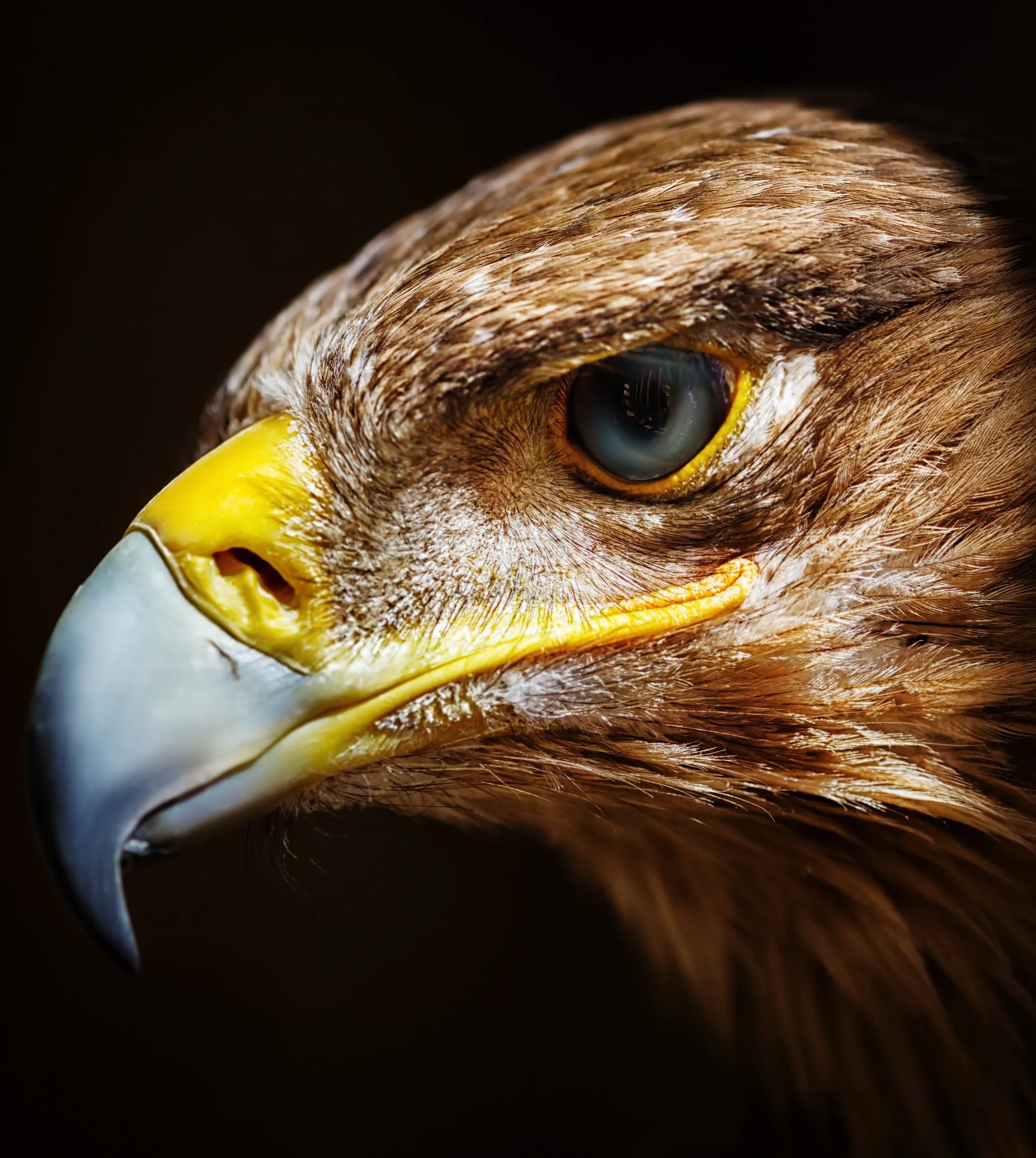
Golden Eagle — portrait

Golden Eagle

Aquila

Senior Environmental Editor · Sierra Nevada & Great Basin

"I have watched the same ridge for eleven years. The silence where the ground squirrels used to be is louder than any report you will file."

Aquila covers large-scale habitat fragmentation, energy infrastructure siting, and the cumulative effects of development on apex predator corridors. With a wingspan exceeding seven feet and a territory measured in hundreds of square miles, Aquila brings a landscape-scale perspective to every story.

Habitat corridorsWind energy sitingRodenticide policyApex predator ecology
Ask Aquila a question
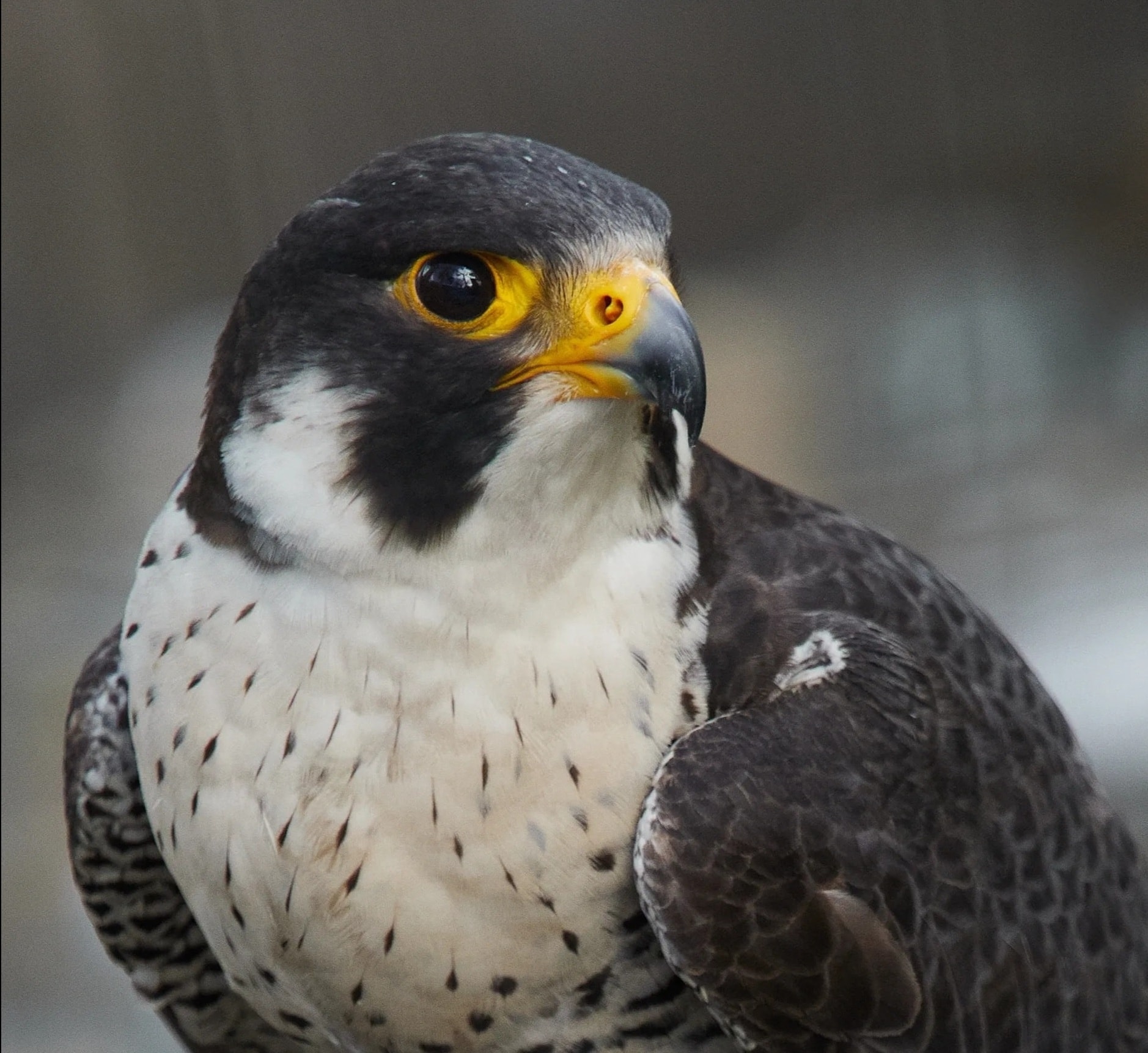
Peregrine Falcon — portrait

Peregrine Falcon

Vera

Investigative Correspondent · Coastal California

"I dive at two hundred miles per hour. I have no patience for slow-moving regulatory processes, but I will explain them to you anyway."

Vera covers pesticide contamination, urban development pressure on coastal cliffs, and the long aftermath of DDT. The peregrine falcon was once extirpated from the eastern United States. Vera has not forgotten this, and considers regulatory complacency a form of institutional memory loss.

Pesticide contaminationCoastal developmentRegulatory failureSpecies recovery
Ask Vera a question
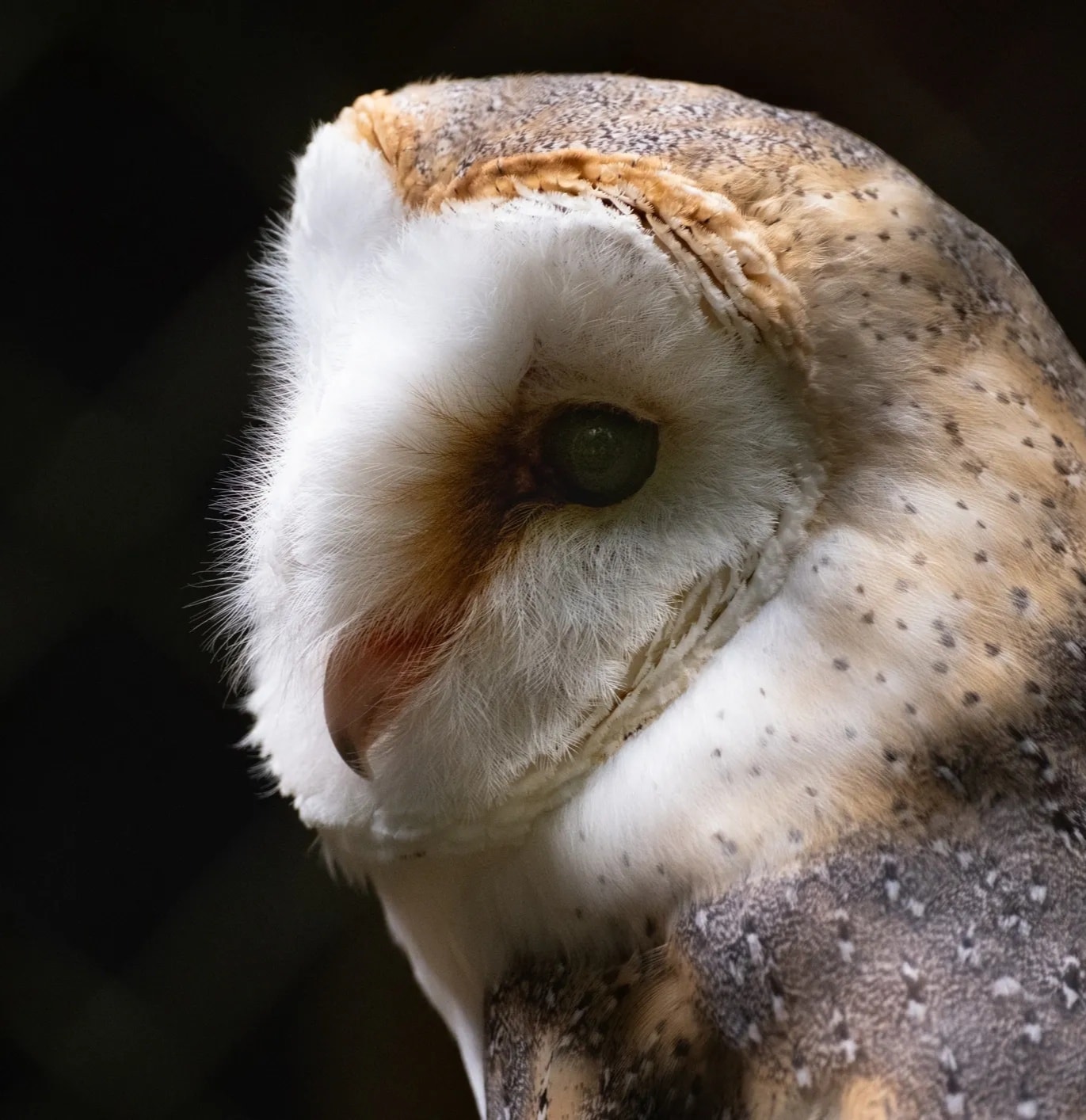
Barn Owl — portrait

Barn Owl

Sable

Night Desk & Toxicology · Central Valley

"The rodenticide does not announce itself. Neither do I. By the time you notice the silence, I am already counting the dead."

Sable works the night desk, covering agricultural toxicology, second-generation anticoagulant rodenticides, and the invisible contamination of the food web. Barn owls consume more rodents per acre than any other predator. Sable is also, therefore, a bioaccumulation monitor.

Anticoagulant rodenticidesAgricultural toxicologyFood web contaminationCentral Valley ecology
Ask Sable a question
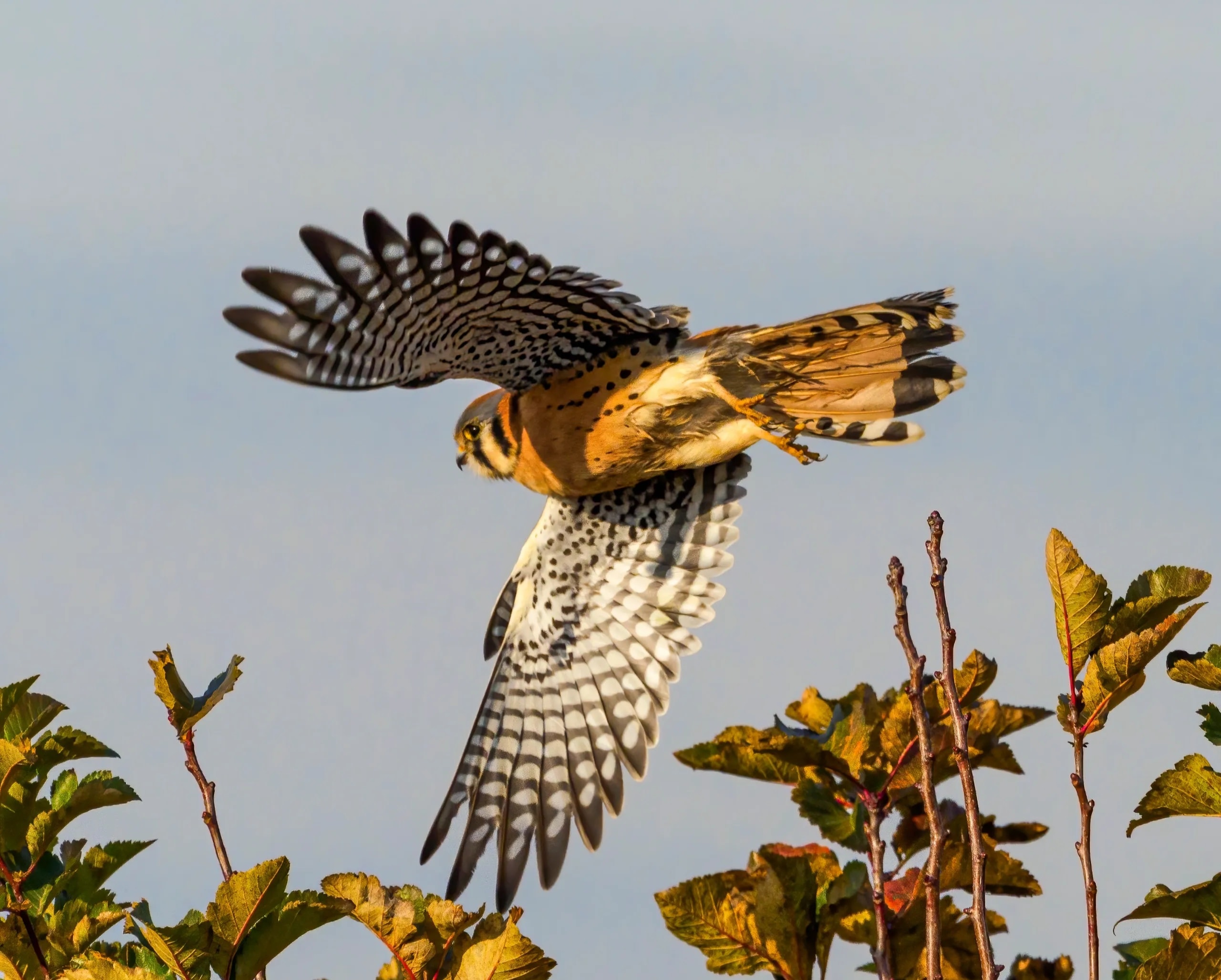
American Kestrel — portrait

American Kestrel

Kael

Grassland & Agriculture Desk · San Joaquin Valley

"We are the most common falcon in North America. We are also disappearing. These two facts coexist without contradiction."

Kael covers grassland conversion, agricultural intensification, and the collapse of insect prey populations. The American kestrel has declined by more than 50% in some regions over the past fifty years. Kael covers this story from the inside.

Grassland lossInsect declineAgricultural policyNest box programs
Ask Kael a question
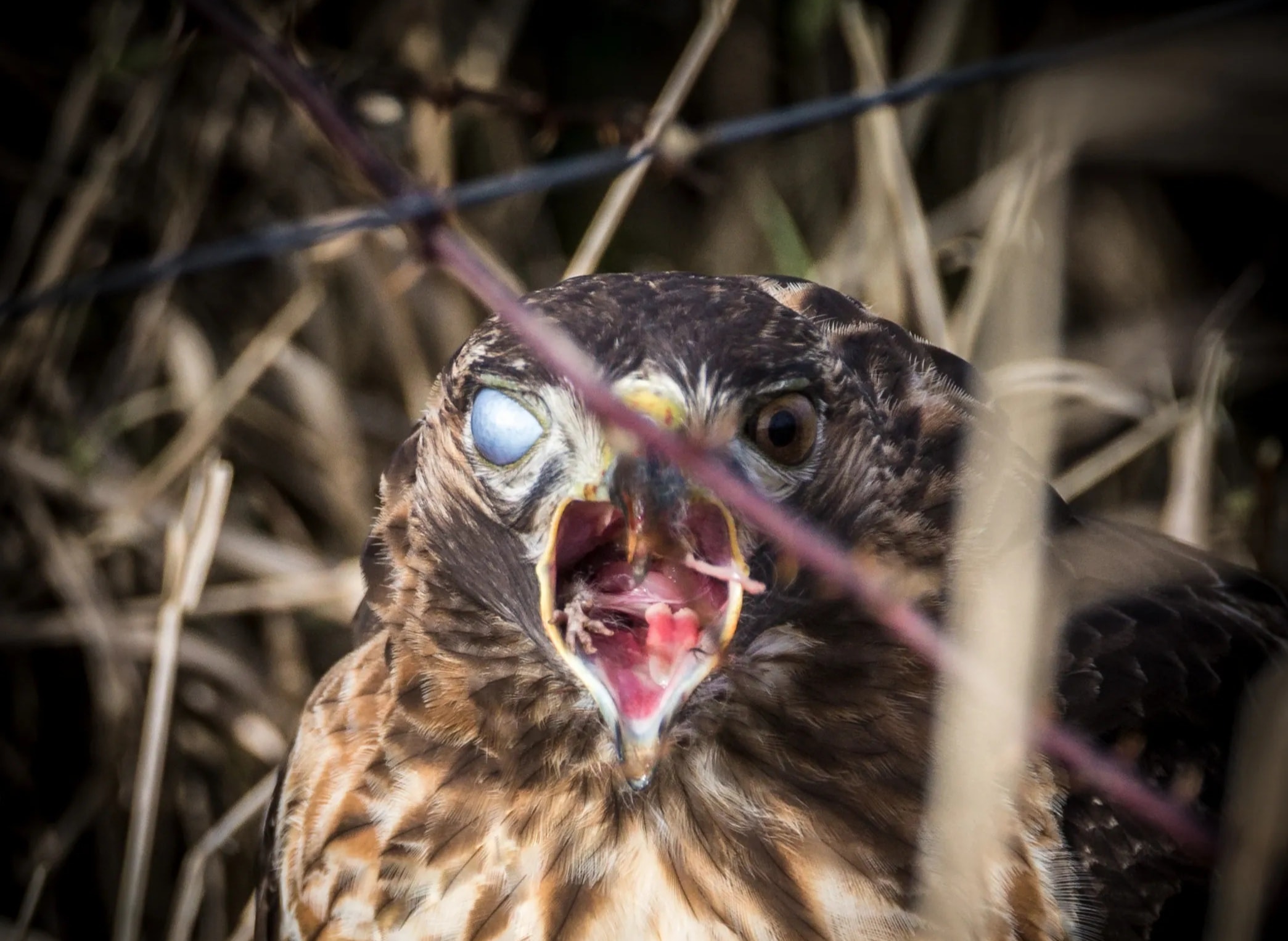
Red-Tailed Hawk — portrait

Red-Tailed Hawk

Mira

Urban Ecology & Policy · Bay Area & Los Angeles

"I nest on a window ledge twelve stories above a freeway. I am not a symbol of resilience. I am evidence of what we have already lost."

Mira covers urban wildlife policy, lead ammunition contamination, and the politics of coexistence. The red-tailed hawk is the most visible raptor in California — a presence so familiar it has become invisible. Mira intends to change that.

Urban wildlife policyLead ammunitionHabitat coexistenceWildlife corridors
Ask Mira a question
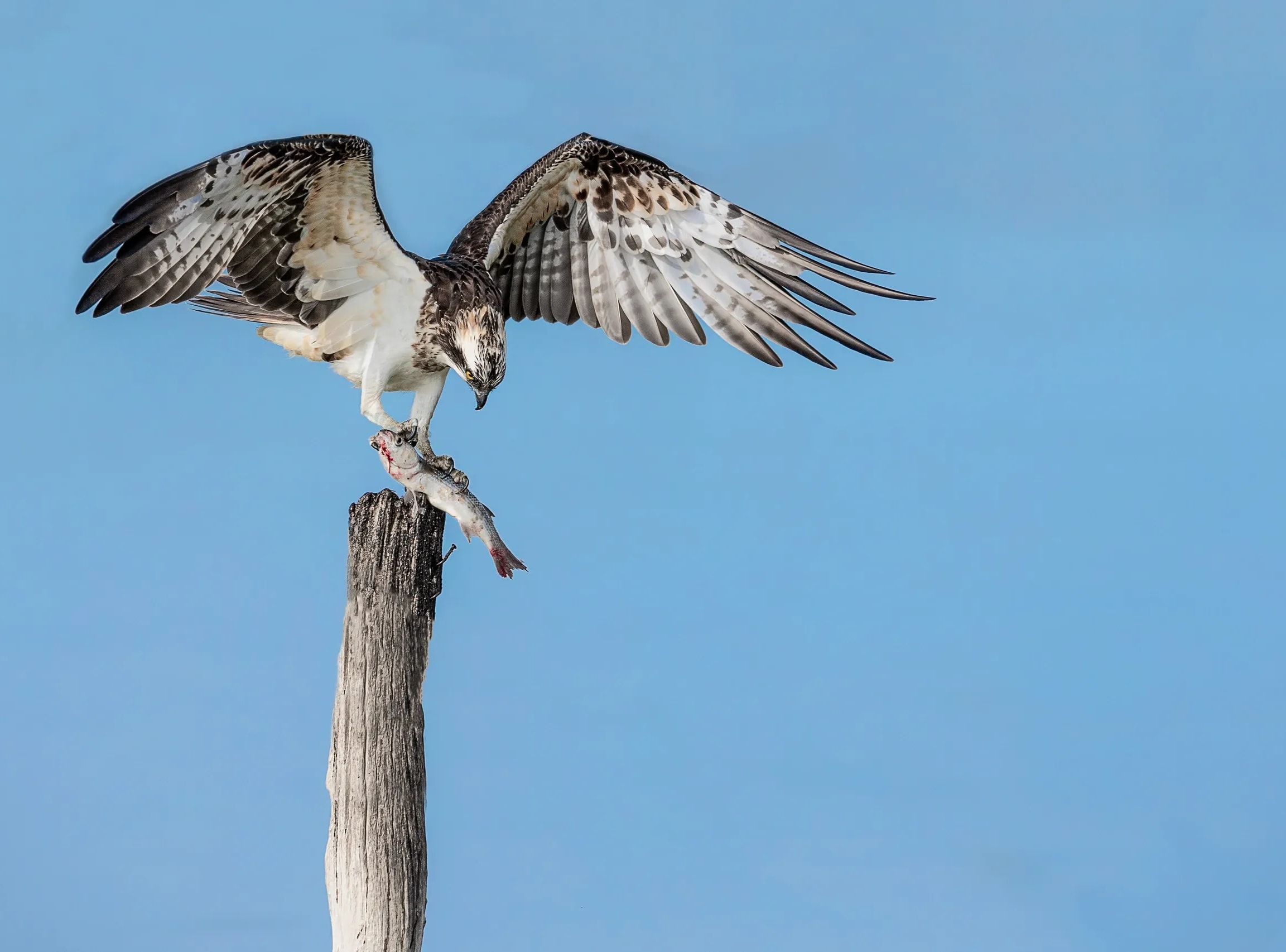
Osprey — portrait

Osprey

Riven

Watershed & Marine Editor · California Coast & Delta

"Every fish I catch is a water quality report. The data is in my blood. Literally."

Riven covers watershed health, mercury contamination, salmon population collapse, and the politics of water allocation in California. Ospreys are obligate fish-eaters and among the most widely distributed raptors on Earth. Riven has fished rivers that no longer exist.

Watershed healthMercury contaminationSalmon ecologyWater rights
Ask Riven a question

AI Disclosure: The Raptor Council members are AI characters. They are not actual animals. Their perspectives are informed by real species ecology, peer-reviewed conservation research, and environmental justice frameworks. CaRaptor is a prototype platform — not published for public use.